0%

Logistics drones are really shaking up the way we handle supply chains. I was reading this recent report by MarketsandMarkets, and it said that the market for logistics drones might hit around $29 billion by 2026. No kidding! That kind of growth shows there's a huge demand for quicker delivery options nowadays. Drones can cut down delivery times a lot and even save companies a good chunk of cash on operations.

Some companies are definitely taking the lead here. Take Zipline, for example—those guys are using drones to deliver medical supplies to pretty tough-to-reach places. Their success really shows just how promising logistics drones can be across different sectors. Of course, it’s not all smooth sailing. There are still pretty serious hurdles like regulations and safety concerns that need to be sorted out.

Bringing logistics drones into the existing supply chain isn’t exactly straightforward either. Companies are having to rethink their whole workflows and infrastructure to make room for these new tools. It’s making them ask some tough questions—like, are we really ready for this kind of change? Will our current systems even support it? As the market keeps evolving, it’s super important to keep a close eye on both the exciting opportunities and the potential pitfalls that come with logistics drones.

Top Logistics Drones for Efficient Supply Chain Solutions?

Overview of Logistics Drones in Supply Chain Management

Logistics drones are transforming supply chain management. These unmanned aerial vehicles (UAVs) enhance efficiency and reduce delivery times. Research indicates that drone delivery can cut transportation costs by up to 30%. They are particularly effective in rural and remote areas, where traditional transport faces challenges.

The integration of drones in logistics is not without difficulties. While they offer speed, the regulatory environment remains complex. Drones must navigate airspace regulations and safety concerns. Furthermore, the technology itself occasionally faces limitations regarding payload capacity and range. A recent report suggested that 45% of businesses have yet to overcome these obstacles.

Many industries are exploring opportunities with logistics drones. E-commerce has seen rapid adoption, leveraging drones for quick order fulfillment. A survey showed that 60% of logistics companies view drones as a critical part of their future strategies. However, businesses must carefully assess the costs and benefits of integrating drone technology into their operations. Responding to these challenges will determine how successful drones will be in the logistics sector.

Key Features of Efficient Logistics Drones

Efficient logistics drones are transforming supply chains. These drones reduce delivery times and costs significantly. According to a recent study, logistics drones can cut delivery costs by up to 70%. This shift is crucial as e-commerce demand continues to soar.

Key features of these drones include payload capacity and flight range. Most models can carry 5 to 10 kilograms. This capacity is adequate for small packages. However, there is still room for improvement. Current technology limits flight ranges to around 20 to 30 miles. Enhancements in battery life are essential for longer deliveries.

Another critical aspect is regulatory compliance. Unmanned aerial vehicles need to adhere to strict aviation laws. These regulations can slow down deployment. In addition, safety systems are vital. Fail-safe mechanisms ensure that drones can safely land in emergencies. Industry reports indicate that 50% of potential drone deliveries face regulatory hurdles. Continuous updates and training for personnel are needed to navigate these challenges effectively.

Top Logistics Drones Currently Used in the Industry

Logistics drones are transforming the supply chain industry. They streamline deliveries, reaching remote areas quickly. These drones reduce costs and improve efficiency. Businesses can transport goods faster than ever before. This shift enables better customer service and satisfaction.

Many companies are adopting various types of logistics drones. Some focus on last-mile delivery, navigating urban landscapes. Others excel in long-distance transport, covering vast distances. The versatility of these drones allows industries to adapt to changing needs. Still, challenges exist, including regulatory hurdles and air traffic management. Companies must stay informed about local regulations.

Tips: Choose drones based on specific needs. Consider payload capacity and flight range. Also, assess the reliability of the technology. Investing in training for staff can optimize drone usage. Understanding the limitations of drones is equally important. Exploring hybrid solutions may enhance overall efficiency. Foster partnerships with experienced operators to navigate the complexities of logistics drone implementation effectively.

Comparison of Logistics Drones: Performance and Cost

The logistics drone market is rapidly evolving. One key factor to consider is performance. Drones with advanced navigation systems can operate in various environments. They are crucial for timely deliveries in urban settings and remote areas. Performance can vary widely between models. Some drones are designed for short-distance flights, while others excel in long-range missions.

Cost is another significant aspect. Initial investment can be high for advanced models. However, lower operational costs often offset this. Maintenance and battery life contribute to this equation. It's essential to analyze total lifecycle costs, not just the purchase price. Some companies might lean towards cheaper options, but they may sacrifice reliability.

In the end, evaluating logistics drones involves looking beyond surface features. Performance metrics play a vital role. Potential buyers should test drones in real-world conditions. Gathering data from logistics activities aids in making informed decisions. Each facet requires careful thought. There is always room for improvement and learning in this dynamic field.

Top Logistics Drones for Efficient Supply Chain Solutions

Drone Model Max Payload (kg) Range (km) Flight Time (minutes) Cost (USD)
Model A 5 15 25 3,000
Model B 10 25 30 5,500
Model C 15 20 40 7,000
Model D 8 30 35 4,200
Model E 12 18 50 6,800

Regulatory Challenges Facing Logistics Drone Adoption

The rise of logistics drones holds great promise for enhancing supply chain solutions. However, regulatory challenges significantly hinder their adoption. Governments worldwide are still catching up to the rapid advancements in drone technology. Regulations often vary by region and can be quite complex. This inconsistency creates confusion for organizations looking to implement drones in their operations.

Moreover, safety and privacy concerns are paramount. Drones must navigate airspace safely while respecting local regulations regarding surveillance and data collection. Regulatory bodies focus intensely on these issues. Compliance can be costly and time-consuming. Companies must invest in understanding these regulations to avoid potential fines.

Lack of clear guidelines creates uncertainty. It can delay deployment and innovation in logistics. As businesses advocate for better regulatory frameworks, a collaborative approach may help. Engaging with authorities can lead to more adaptable regulations. Continuous dialogue may pave the way for a more efficient path forward.

Future Trends in Logistics Drones for Supply Chain Solutions

The logistics drone industry is rapidly evolving. Major studies predict that by 2026, the global logistics drone market could reach $29 billion. This significant growth highlights the increasing importance of these aerial vehicles in supply chain solutions. As e-commerce continues to soar, timely deliveries become crucial. Drones can navigate traffic and reach remote areas faster than traditional methods.

New trends are emerging in logistics drone technology. Automated delivery systems and real-time tracking capabilities are becoming standard. A report by Research and Markets indicates that the demand for drone deliveries will rise by 20% annually. This surge emphasizes the need for companies to adapt quickly. However, challenges such as regulatory hurdles and air traffic management remain.

Tips to consider:
• Ensure that your logistics drone strategy aligns with local regulations.
• Collaborate with technology partners to enhance drone capabilities.
• Regularly evaluate your supply chain processes. This reflection will help identify areas for improvement. Investing in training for staff on drone operations is essential. Keeping up with advancements will help maintain a competitive edge.

Case Studies of Successful Drone Implementations in Logistics

In recent years, logistics drones have transformed supply chain operations. Companies have successfully integrated drones, showcasing their potential to enhance efficiency. For instance, a retailer used drones for last-mile deliveries, reducing shipping times significantly. Customers appreciated the swift service and increased satisfaction.

Tips: Consider the terrain. Drones perform better in urban areas with few obstacles. Understand your operational needs before deployment. Evaluate the regulatory landscape. Local laws may impact drone usage.

Another case involved emergency medical supplies. A healthcare provider utilized drones to deliver urgent medications to remote areas. This operation demonstrated drones' capacity to respond quickly during crises. However, challenges arose, such as battery life and payload limitations.

Tips: Invest in training for your team. Proper handling and maintenance are critical for success. Think about redundancy. Multiple drones can cover unexpected issues, ensuring reliability. Exploring battery solutions may enhance performance as well.

Top Logistics Drones for Efficient Supply Chain Solutions

This bar chart illustrates the efficiency improvements witnessed by various sectors through the implementation of logistics drones in their supply chain operations, measured by the percentage increase in delivery speed.

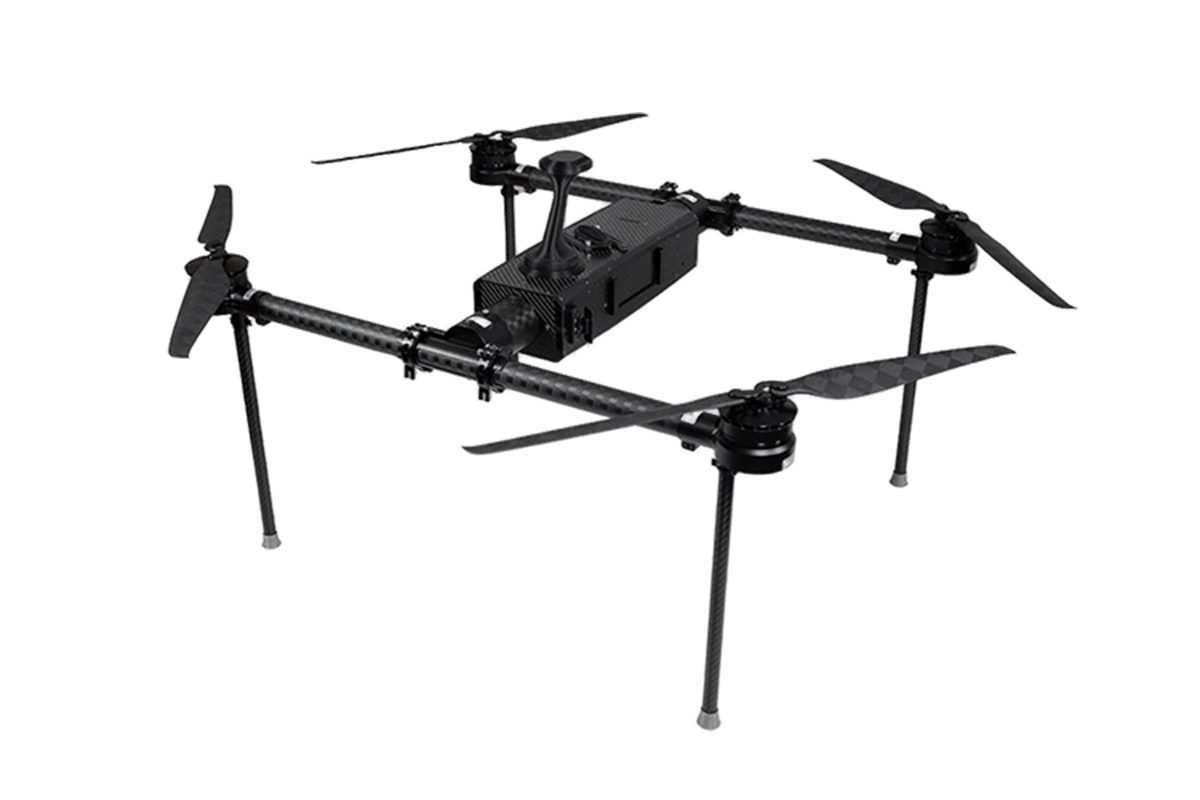
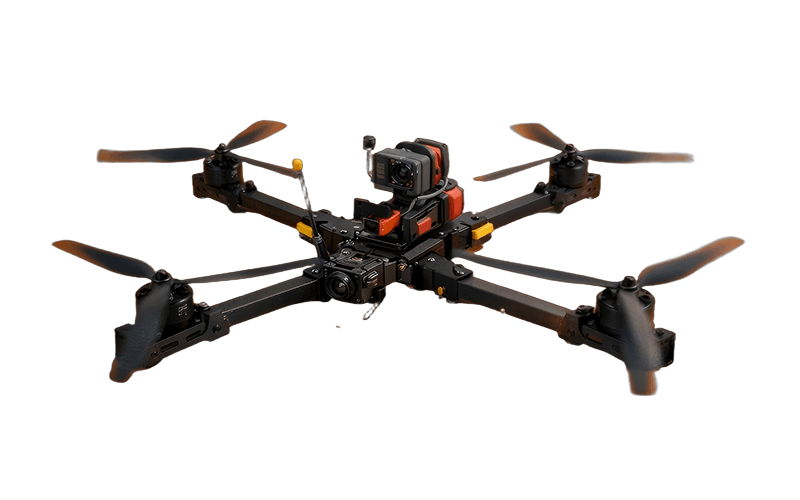
Revolutionizing Aerial Operations: The Impact of Mercury X30 Multirotor Drone on Logistics and Surveillance

The advent of advanced aerial technologies has significantly transformed logistics and surveillance operations. In an age where speed and efficiency are paramount, the Mercury X30 multirotor drone emerges as a game-changing tool. Engineered for reliability, this drone is specifically designed to address the challenges of modern logistics. According to industry reports, the global drone logistics market is projected to reach USD 29.06 billion by 2027, driven by the need for rapid delivery solutions and enhanced operational efficiency.

The Mercury X30 excels in seamless cargo transport, providing unparalleled support during emergency responses. With its GPS-autonomous navigation system, it ensures precise and reliable delivery even in demanding environments. Statistics reveal that drones can reduce transportation costs by up to 70% compared to traditional methods, showcasing their potential to revolutionize supply chain management. This capability is especially crucial in remote areas where access is limited, allowing organizations to deliver critical supplies swiftly.

Furthermore, the drone's operational versatility extends to surveillance missions, where it enhances situational awareness and response times. Industry experts note that automated aerial reconnaissance can dramatically improve decision-making processes in security operations. As organizations increasingly adopt aerial solutions for logistics and surveillance, the impact of innovative drones like the Mercury X30 will be pivotal in shaping efficient and effective operational strategies.

FAQS

: What are logistics drones used for?

: Logistics drones are primarily used for enhancing efficiency and reducing delivery times in supply chain management.

How much can drone delivery reduce transportation costs?

Research indicates that drone delivery can cut transportation costs by up to 30%.

What challenges do companies face when adopting drones?

Companies navigate complex regulations, safety concerns, and technological limitations like payload capacity and range.

Why is the regulatory environment a hurdle for drones?

The regulatory environment is inconsistent and complex, creating confusion for companies wanting to implement drone technology.

How can businesses address regulatory challenges?

Businesses can engage with authorities and advocate for better frameworks to create more adaptable regulations.

Is there a growing demand for logistics drones?

Yes, the demand for drone deliveries is expected to rise by 20% annually, particularly in e-commerce.

What are key considerations for implementing drones?

Companies should ensure regulatory alignment, collaborate with technology partners, and regularly evaluate their supply chain processes.

What improvements can companies expect from logistics drones?

Drones can improve delivery speed, especially in remote areas, and streamline operations, but challenges remain.

How important is staff training in drone operations?

Investing in staff training is crucial for effective drone operations and maintaining a competitive edge.

What reflections should companies make regarding their logistics strategy?

Companies should regularly assess their supply chain strategies to identify areas for improvement and adapt to trends.

Conclusion

Logistics drones are transforming supply chain management by enhancing efficiency and speed in delivery processes. These innovative aerial vehicles come equipped with key features such as advanced navigation systems, payload capabilities, and real-time tracking, making them integral for modern logistics operations. Currently, various models of logistics drones are employed in the industry, each varying in performance and cost, which facilitates tailored solutions for different business needs.

Despite their advantages, the adoption of logistics drones faces regulatory challenges that could impact their widespread implementation. However, future trends indicate a growing acceptance and integration of drones within supply chains, driven by technological advancements and success stories from companies that have effectively utilized drones for logistics. These case studies highlight the practical benefits of logistics drones, showcasing their potential to revolutionize how goods are transported and managed.

Charlotte

Charlotte

Charlotte is a dedicated marketing professional with a deep expertise in the UAV systems developed by UUUFLY. Her commitment to integrated innovation across hardware, algorithms, and data operations positions her as a driving force in delivering cutting-edge solutions for power, agriculture, and......
Previous How to Choose the Best Commercial Drones for Your Business?